A good game does more than ask you to repeat yourself. It gives you something new to notice, a better choice to try, or a system you finally understand.
Start with the interesting question
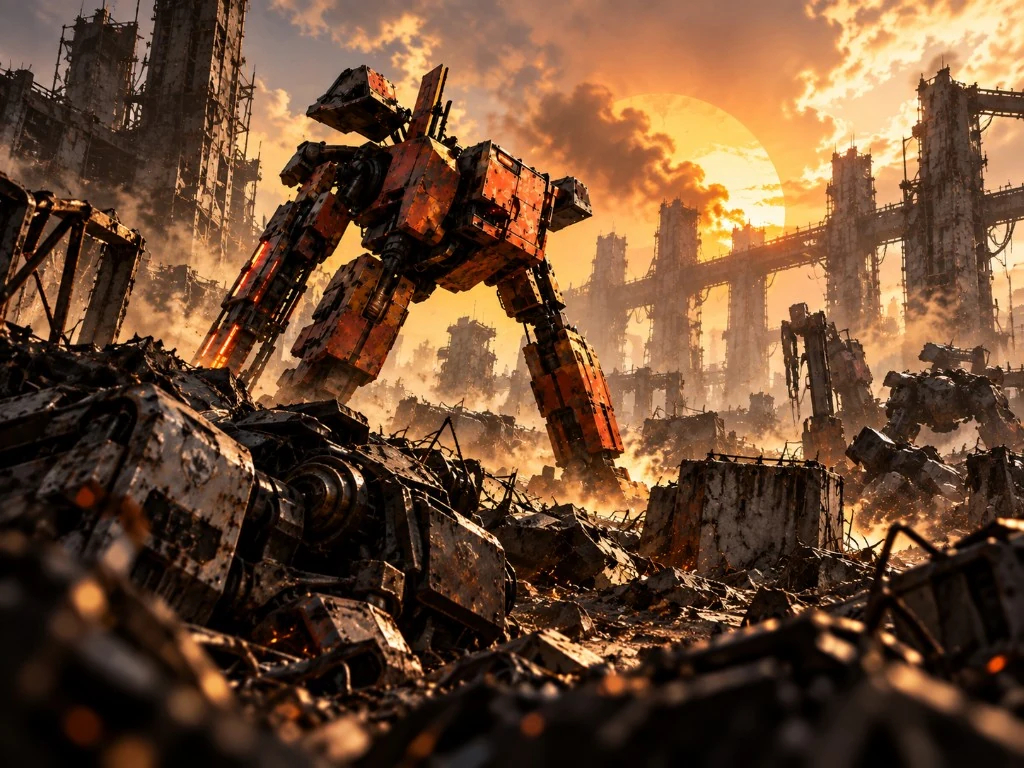
Our games begin with a small question, not a long feature list. What if a wreck stays in the world? What if seeing farther costs energy? What if holding and releasing one button is the whole language of a game? An idea becomes useful when we can put it in someone’s hands.
Make every action readable
Strong art direction cannot replace clarity. Feedback, hierarchy and timing should help a player understand what happened—and what they might do differently next time. The quieter the controls, the more room the world has to speak.
Give the next run a purpose
A changed route, a new build, a cleaner rhythm or a better understanding of the arena can all turn repetition into discovery. The aim is not simply to keep someone playing; it is to make the next attempt feel like their own idea.